
Streamlining Onboarding Timelines Without Delaying Background Verification
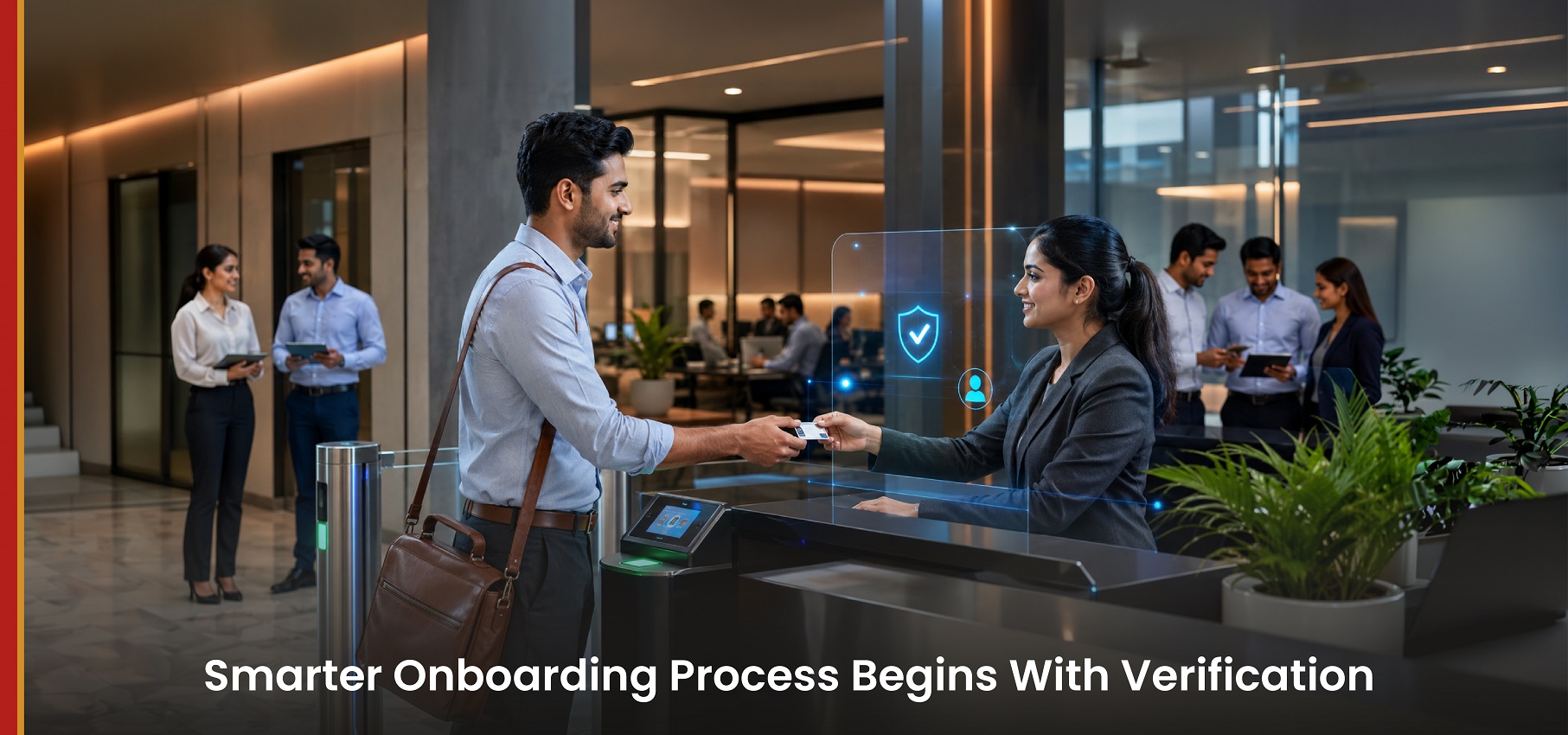
Every HR leader knows the pressure — the business wants the new hire productive from Day 1, but the background screening timeline is still open. Streamlining the onboarding workflow does not mean cutting corners on pre-employment verification. It means building an employee onboarding process that runs verification parallel to induction not after it. Hiring process optimization starts with treating candidate verification and workforce onboarding as connected, not competing priorities. When employment screening is embedded into the recruitment lifecycle with clear milestones, HR compliance is protected without slowing the business down.
Why Background Verification Is Critical During Employee Onboarding
Employee background verification is not a formality that follows onboarding; it is a risk control that must shape it. Without structured onboarding risk management, organizations expose themselves to hiring fraud prevention failures that surface only after access is granted. Pre-hire checks covering identity authentication, employment history validation, and candidate due diligence are what separate responsible hiring from reactive damage control. Workplace compliance and risk mitigation depend on verification being completed not assumed. Workforce integrity begins the moment an offer is made, not the moment a discrepancy is discovered.

Best Practices for Managing Onboarding and Background Verification Simultaneously
Strong onboarding process management requires verification and induction to run together — not one after the other. Here is what HR operations must implement:
- HR Onboarding Checklist: Build a structured employee verification process with defined milestones mapped to each digital onboarding stage.
- Compliance Framework: Embed verification protocols and recruitment compliance checkpoints directly into onboarding automation systems to eliminate manual delays.
- Parallel Processing: Run onboarding best practices alongside background checks so HR operations never trade compliance for speed.
- Communicate Clearly & Obtain Consent Early – Inform candidates about BGV requirements and timelines while securing necessary consent before verification begins
Common Challenges in Onboarding Timelines and How to Overcome Them
Onboarding delays and onboarding bottlenecks are predictable — and preventable when HR acts early. Here is how to overcome them:
- Verification Turnaround Time: Reduce verification turnaround time by digitising document validation and moving away from manual follow-ups.
- Remote Workforce Onboarding: Address delayed employee joining by building verification workflows specifically designed for remote workforce onboarding scenarios.
- Candidate Data Management: Improve HR process efficiency through structured candidate data management that keeps operational efficiency intact across every hiring stage.
Reducing Hiring Risks While Maintaining Faster Onboarding Timelines
Speed without structure is where safe hiring practices break down. A fast onboarding process must be backed by employee risk assessment, criminal record screening, and compliance monitoring at every stage. A secure recruitment process built on hiring transparency, employee authentication, and workforce integrity management ensures fraud detection in hiring happens before access is granted — not after the damage is done.
Industry-Wise Onboarding and Background Verification Requirements in India
Different industries in India carry different verification obligations, and onboarding compliance India is not a one-size-fits-all process. BGV for IT companies focuses on identity, education, and moonlighting checks. Employee screening for banks is governed by RBI mandates covering criminal and credit history. Corporate onboarding processes across healthcare and manufacturing follow their own sector-specific verification standards. Workforce compliance solutions must align with regulatory compliance, financial verification, remote employee screening, and HR governance requirements specific to each sector.

Building a Reliable Onboarding Strategy with Employee Background Verification
A dependable onboarding strategy is built on verified information — not assumptions. Employee verification services give HR the data needed to make confident access and joining decisions. Onboarding timeline management works best when employment verification systems are integrated directly into the talent acquisition process. Workforce onboarding solutions that prioritise organizational security and workforce trust reduce hiring errors before they become compliance failures. A structured hiring compliance strategy backed by strong compliance management protects the organization at every stage of the workforce onboarding journey.
FAQs
How can companies speed up onboarding timelines without compromising background verification?
Automated verification and digital onboarding tools enable a fast onboarding process. Prioritising quick employee verification by role ensures onboarding efficiency without compromising HR compliance.
What are the best onboarding practices for employee background verification?
Integrate onboarding protocols into the HR onboarding workflow from the offer stage. Structured employee screening process with workforce compliance and risk assessment ensures hiring compliance throughout.
Why is employee background verification important during onboarding?
Employee background verification confirms identity verification, criminal record checks, and employment authentication before access is granted, protecting workforce integrity and ensuring a safe hiring process.
What causes delays in onboarding and background verification processes?
Onboarding delays stem from incomplete documentation, manual document verification, and poor operational workflow design, causing verification bottlenecks, recruitment delays, and weak candidate validation.