
Background Verification in 2026: Trends and Technology
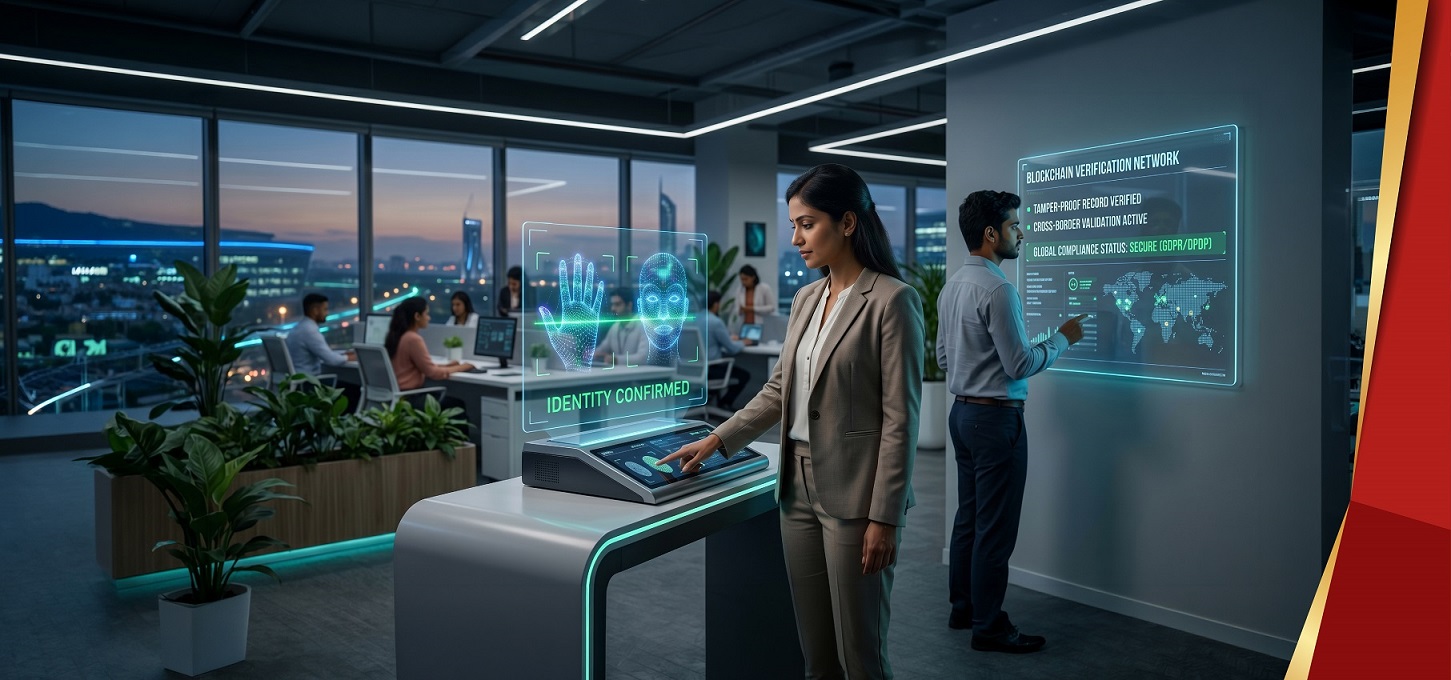
Hiring in 2026 looks nothing like it did five years ago and background verification trends 2026 are moving faster than most HR teams realise. The future of employee screening isn’t just about checking documents anymore. It’s about biometric verification systems that confirm identity in seconds, blockchain verification technology that makes records tamper-proof, and a seamless identity verification process that works across borders. Add tightening data privacy regulations into the mix, and the pressure on organisations is real. Next-gen employee screening technology isn’t a luxury in 2026, it’s the baseline. Here’s what’s changing, why it matters, and how to stay ahead.
What is Background Verification and Its Importance in 2026
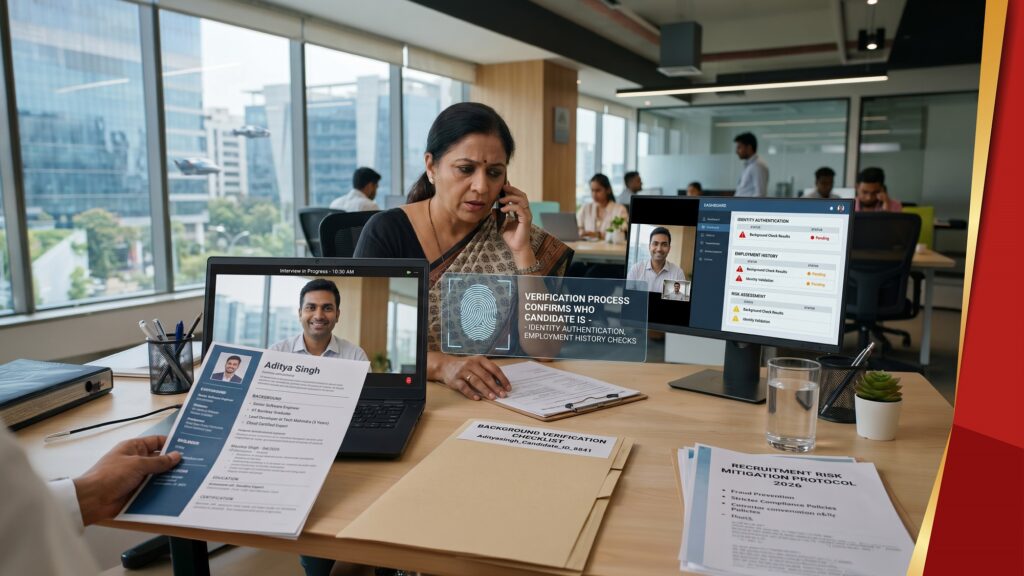
The resume looks great, the interview went well but without a proper recruitment verification process, you’re still one bad hire away from a serious problem. At its core, the recruitment verification process confirms who a candidate really is through identity authentication, employment history checks, and thorough candidate evaluation. But in 2026, employee screening importance goes beyond basics. With rising fraud and stricter compliance policies, hiring risk prevention has become non-negotiable. A solid employment screening process protects your team, your clients, and your reputation. Skip candidate verification basics today, and you’re signing up for a much bigger risk mitigation problem tomorrow.
Step-by-Step Background Verification Process Explained
A proper employee screening doesn’t happen in one go below are the key steps to follow.
Step 1: Collect Documents Gather IDs, certificates, and employment history for document validation.
Step 2: Credential Authentication Confirm degrees and qualifications through credential authentication.
Step 3: Database Screening Run database screening criminal records, court cases, and watchlists.
Step 4: Address Checks Verify current and previous addresses through thorough address checks.
Step 5: Reference Verification Contact past employers for reference verification validating performance and exit details.
Step 6: Review and Report Compile everything into a final verification workflow report before any job offer goes out.
What Happens in Background Verification? Key Checks Involved
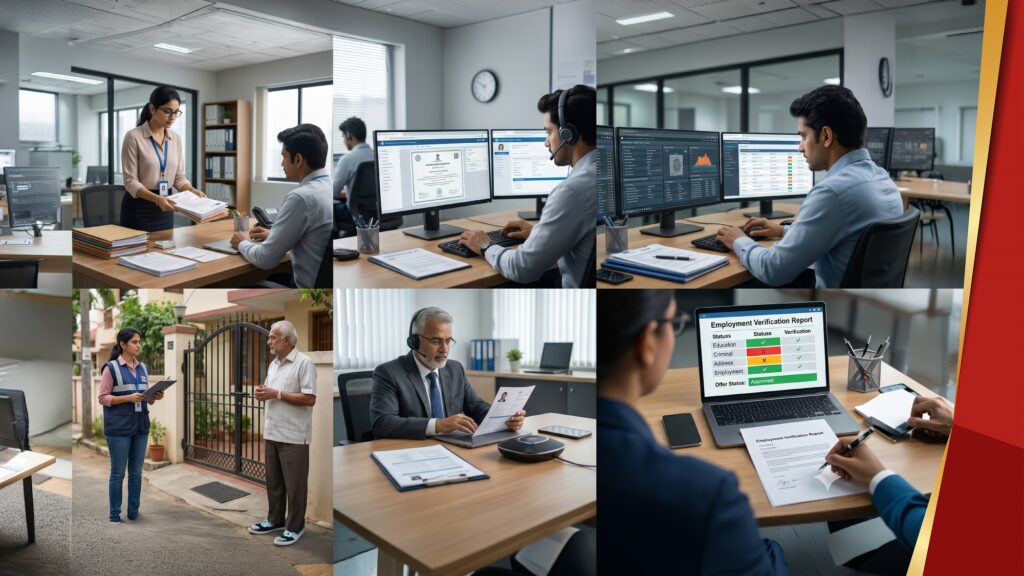
Before hiring, companies follow a structured process to understand what happens in background verification by reviewing key background check components that confirm a candidate’s identity, history, and overall credibility. Below are the key checks involved:
- Identity verification: Validates government IDs, address, and personal details.
- Employment verification details: Covers employment history verification, including roles, tenure, and reasons for exit.
- Education check process: Includes academic validation of degrees, certifications, and institutions.
- Criminal record screening: Conducts criminal history analysis to identify any legal issues.
- Credit assessment: Reviews financial behavior for roles involving money handling.
Types of Employee Background Verification Checks in India
Background verification in India covers more ground than most hiring teams realise below are the key BGV types India organisations should be running:
- Identity databases check to confirm who the candidate actually is
- Police clearance process to flag any criminal history
- Court record verification for pending or past legal cases
- Financial background checks for roles handling money or sensitive data
- Address validation systems to verify current and previous addresses
- HR screening India for employment history and credential checks across verification services India
Challenges Faced by Background Verification Companies Today
Background verification isn’t without its roadblocks here are the biggest background verification challenges companies face today:
- Verification delays caused by slow institutional responses and manual follow-ups
- Data mismatch issues from inconsistent records across information inconsistency in databases
- Navigating complex data privacy regulations and ever-changing regulatory frameworks
- Weak fraud detection mechanisms missing sophisticated document forgeries
- Poor turnaround time impacting offer timelines and candidate experience
- Hiring compliance problems and screening inefficiencies when processes aren’t standardised across departments
Latest Trends in Background Verification Technology (2026)
Every year, background verification gets harder to fake and faster to complete — and 2026 is no exception. Blockchain verification is making records tamper-proof, while biometric authentication confirms identity in seconds. Predictive analytics flags hiring risks before they become real problems, and digital identity systems are cutting through cross-border paperwork entirely. These HR tech innovations are automating repetitive checks and slashing turnaround times dramatically. The future of employee screening is faster, smarter, and far more accurate and the background verification trends 2026 are only accelerating from here.
How to Choose the Right Background Verification Company
Choosing the right BGV provider isn’t just about price — it’s about finding a partner your hiring process can actually rely on. Here’s what to look for:
- Clear service level agreements with realistic turnaround commitments
- Strong data security standards and adherence to compliance frameworks
- Proven verification accuracy metrics across different check types
- Flexible scalability models that grow with your hiring volume
- Transparent pricing with no hidden costs in employee screening services
- A track record that makes them genuinely the best background verification partner for your needs
FAQ
What is the background verification process?
The background verification process involves structured employee screening steps and hiring verification stages within a BGV workflow, including document authentication, identity verification, employment validation, and essential compliance checks.
What happens in background verification for employees?
Employee background check details include a verification checks list covering job history verification and education checks, along with criminal record screening, academic validation, employment history review, and credit assessment where required.
How long does background verification take in India?
The background verification time India varies based on BGV duration and employee verification timeline, depending on screening turnaround time, verification workflow, data processing cycles, and required compliance timelines.
Why is employee background verification important?
The importance of employee verification lies in hiring risk management and background screening benefits, ensuring safe hiring practices through risk assessment, fraud prevention, regulatory compliance, and maintaining overall workforce integrity.