
Creating a Speak-Up Culture: Why Employees Don’t Report POSH Violations

Picture this: A talented employee witness’s workplace harassment but stays silent, fearing backlash. Sound familiar? This silence isn’t just uncomfortable it’s dangerous, and it’s happening in workplaces everywhere.
Despite the POSH Act mandating Internal Complaints Committee (ICC) mechanisms, most POSH complaints never surface. Why? Fear of retaliation, lack of trust in POSH reporting systems, and inadequate POSH training create barriers to workplace harassment reporting. Organizations must actively foster a speak-up culture where employees feel safe voicing concerns without career consequences.
Building a robust workplace safety culture requires transparent sexual harassment reporting channels, regular POSH training sessions, empowered ICCs, and zero-tolerance policies. A loyal speaker-up culture Full leadership buy-in for a real speak-up environment process changes silence into action and results in everyone feeling safe, heard, and appreciated. When mechanisms for reporting function properly, they allow workplaces to flourish safely and with respect.
Understanding the POSH Act and Its Importance
The POSH Act full form Prevention of Sexual Harassment Act 2013 revolutionized workplace safety in India. This sexual harassment prevention Act provides the POSH Act definition as mandatory legislation requiring organizations with 10+ employees to establish an Internal Complaints Committee (ICC) for addressing sexual harassment complaints.
POSH compliance isn’t optional it’s legal necessity. Understanding POSH Act importance workplace means recognizing how this framework protects employees’ dignity, ensures fair investigations, and creates accountability mechanisms. POSH in its entirety stands for more than a collection of words it represents your organization s pledge to support zero tolerance workplaces where all employees work without fear of bullying or harassment.

Common Barriers to Workplace Harassment Reporting
Despite POSH Act mandates and established Internal Complaints Committee (ICC) systems, workplace harassment reporting remains alarmingly low. Understanding these barriers is crucial for improving POSH awareness and encouraging genuine POSH complaints.
Key obstacles preventing employees from filing POSH complaints:
- Fear of Retaliation: Employees worry about career damage, transfers, or termination after POSH reporting, creating a culture of silence despite ICC protections.
- Lack of Trust: Poor POSH awareness about ICC independence and confidentiality makes employees skeptical about fair investigations and outcomes.
- Social Stigma: Victims fear judgment, victim-blaming, or being labelled “troublemakers,” discouraging workplace harassment reporting even when violations are severe.
- Complex Procedures: Confusing POSH reporting mechanisms intimidate employees unfamiliar with formal complaint processes under the POSH Act.
How Lack of POSH Awareness Affects Reporting
Many employees don’t report harassment simply because they don’t recognize it as harassment. POSH awareness isn’t just about knowing the POSH Act exists it’s about understanding what constitutes violations, who can file POSH complaints, and how the Internal Complaints Committee (ICC) actually functions.
Low POSH training creates unsafe knowledge gaps. Employees mistake verbal abuse for office mockery, normalize uncomfortable comments as just jokes, or believe only physical contact qualifies as harassment. Without comprehensive POSH awareness programs, organizations operate in grey zones where where misconduct goes unnoticed and unchallenged.
Think of POSH training as your workplace’s immunity booster without it, your organization remains vulnerable to toxic behaviours masquerading as acceptable conduct. Regular, engaging awareness sessions transform passive knowledge into active protection, empowering employees to identify, report, and stop harassment confidently.
Role of Speak-Up Culture at Work in Preventing Harassment
A genuine speak-up culture transforms workplaces from silent suffering zones into safe workplace environment havens. When organizations actively encourage employees to speak up, they don’t just comply with the POSH Act 2013—they prevent harassment before it escalates.
POSH speak up workplace effectiveness hinges on trust. Employees must believe their voices matter, that reporting workplace harassment won’t backfire, and that the Internal Complaints Committee (ICC) operates independently. This requires transparent communication channels, visible leadership commitment, and swift, fair responses to concerns.
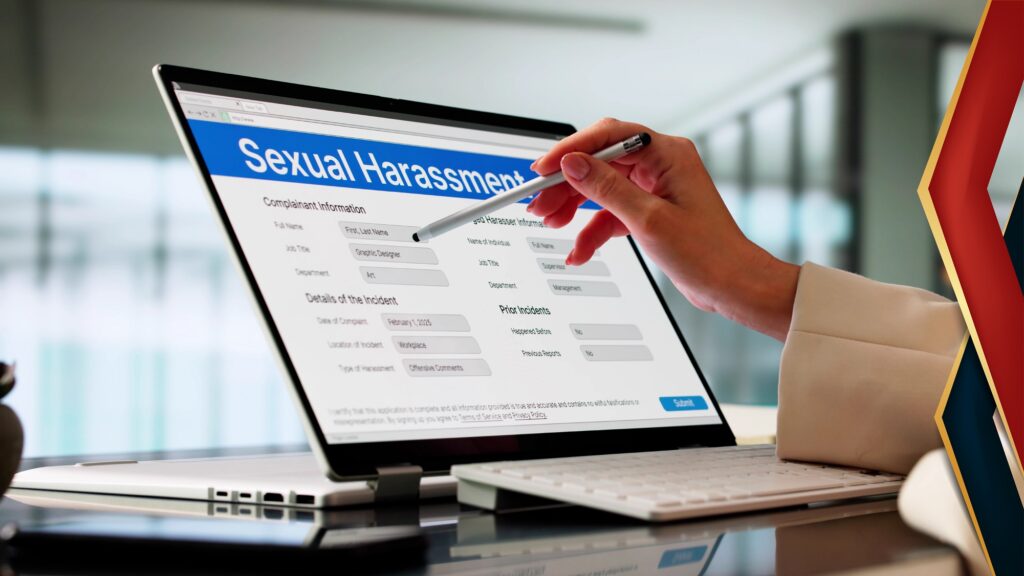
A positive workplace culture with open communication in office settings creates psychological safety where employees feel empowered to challenge inappropriate behaviour immediately. When raising a voice is standard rather than taboo, the POSH Act becomes from legal necessity to actual organizational code values leading to significant decline in harassment cases.
FAQ
How does POSH awareness impact reporting rates?
Effective POSH training and harassment awareness programs boost confidence, leading to higher employee reporting trends and increased sexual harassment complaint reporting, fostering safer, transparent workplaces.
How to build POSH speak-up culture in startups?
Startups foster POSH speak-up culture by implementing clear POSH policies, forming an Internal Complaints Committee (ICC), and creating employee-friendly reporting systems aligned with the POSH Act 2013.
What are penalties for POSH non-reporting or retaliation?
Under the POSH Act 2013, noncompliance or retaliation can lead to fines, employer liability, and strict legal action, enforced through the Internal Complaints Committee (ICC).